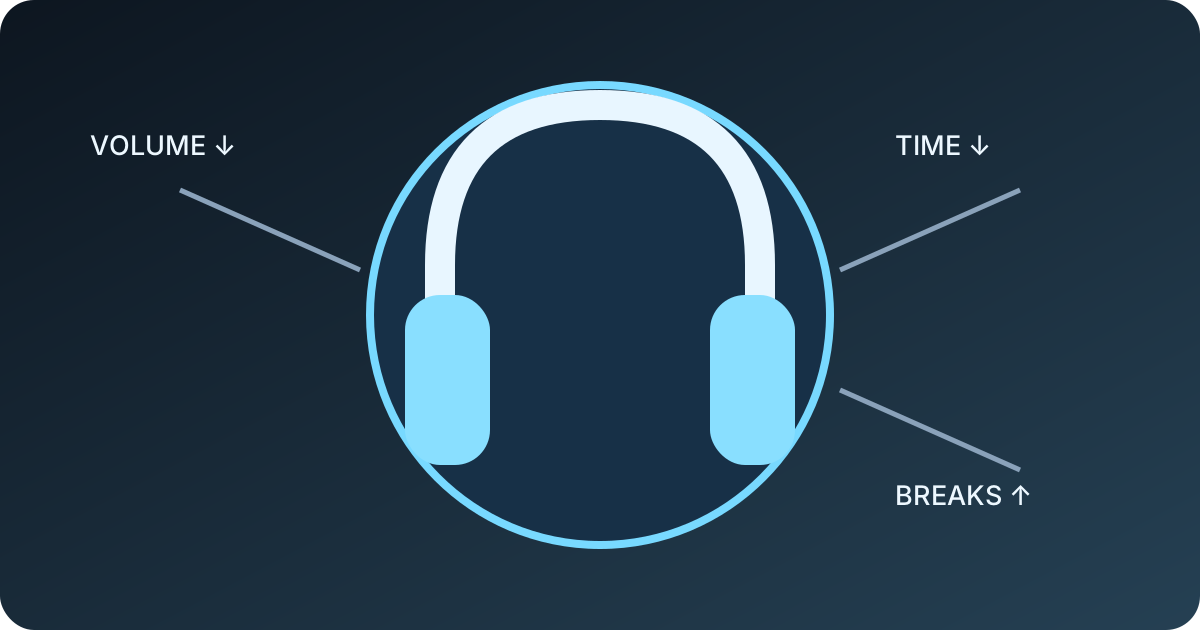
Soft-sounding ASMR can still be too loud or too long. Hearing risk depends on actual sound level, duration, and repeated exposure, not on whether the content feels gentle.
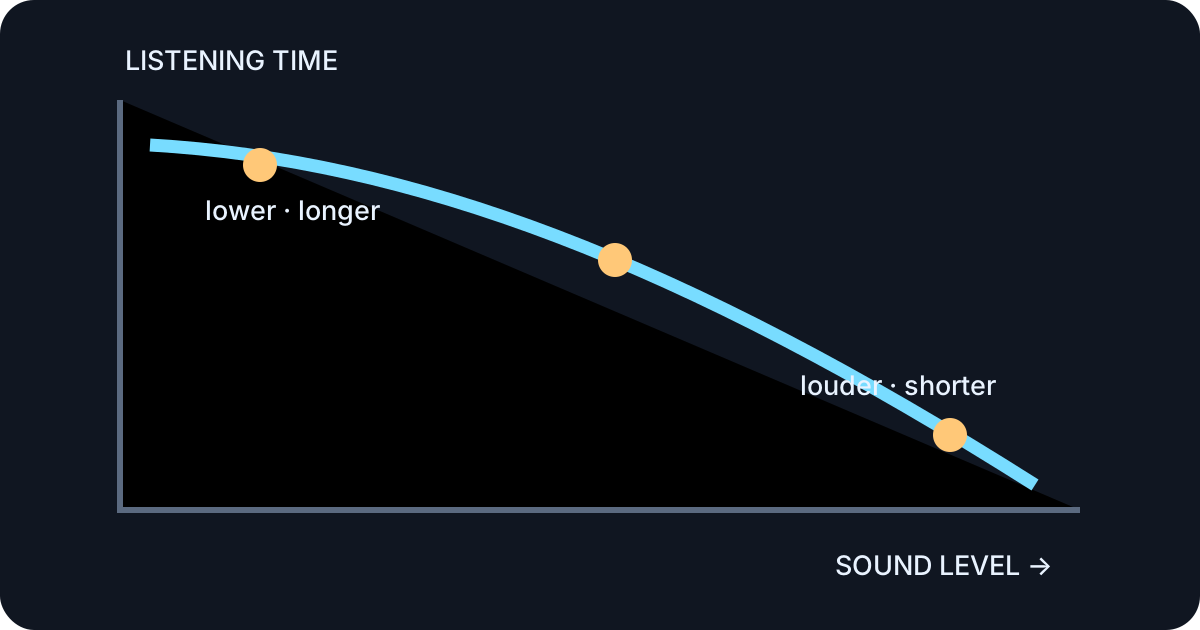
WHO illustrates the dose relationship with about 40 hours per week at 80 dB and about four hours at 90 dB. These examples show how quickly time falls as level rises; they are not a personal guarantee.
Think in volume and time together
All sound exposure across a day contributes. Device percentages do not equal the same dB across headphones, fit, and source material.
WHO’s no-more-than-60-percent device guidance is a practical starting point, not a calibrated measurement.
- Louder means shorter
- Count the whole day
- Percentage is not dB
- Do not amplify quiet detail blindly
Start at the lowest comfortable level
Lower system volume before playback and raise it only until detail is comfortably clear. Spatial movement does not require body-filling loudness.
In noise, move somewhere quieter or use well-fitting isolation rather than competing with volume. Preserve environmental awareness when safety requires it.
Build real quiet breaks
Remove headphones for several minutes every twenty to thirty minutes. A lower volume is not the same as silence.
Use a sleep timer and consider the day’s concerts, traffic, work, or gaming exposure as part of the same sound dose.
- Quiet break
- Sleep timer
- Whole-day dose
- Monitor plus symptoms
Fit and context come before product type
No single earbud or headphone style is safest for everyone. Poor fit can cause higher volume; pressure, heat, pain, or skin irritation calls for a change or rest.
Noise cancellation may reduce the need for volume but does not make a loud internal signal safe.
Ringing and muffling mean stop
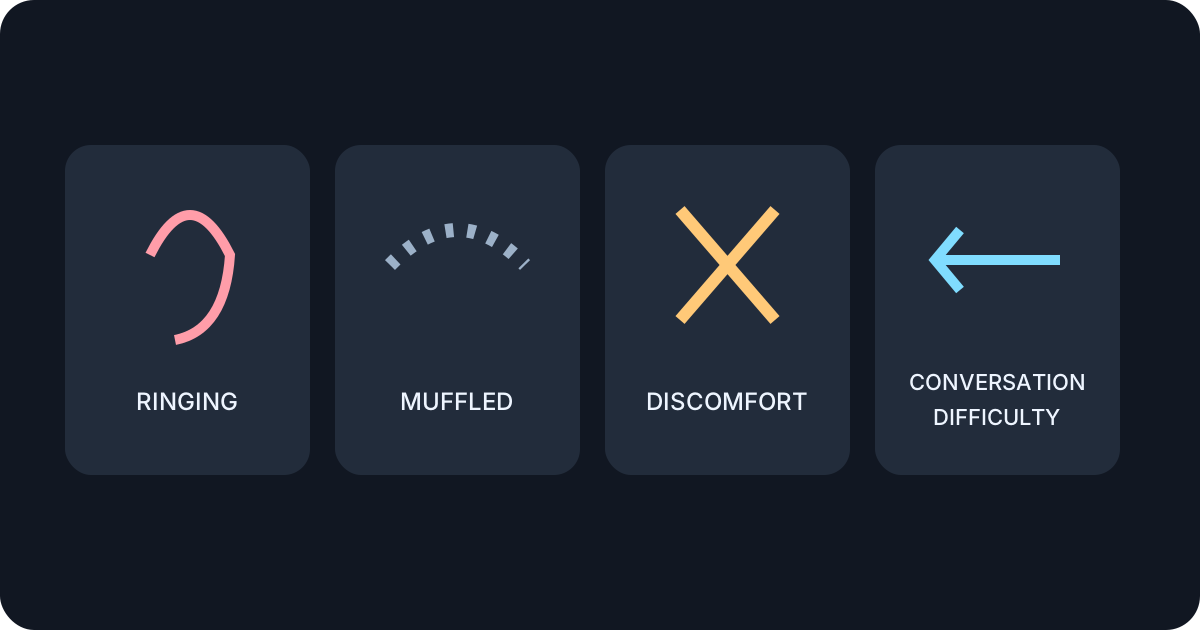
Stop after ringing, muffled hearing, high-frequency difficulty, pain, dizziness, or conversation trouble. Persistent signs need professional advice.
Sudden hearing loss or a marked one-sided change can be urgent. Do not mask symptoms with louder ASMR.
- Ringing
- Muffling
- Conversation difficulty
- Sudden or one-sided change
A practical ASMR checklist
Before: lower volume and remove alerts. During: notice peaks and schedule a break. After: remove the device and check that ordinary speech sounds normal.
Gem ASMR provides entertainment and relaxation, not hearing testing or treatment.