A red transparent sphere with black dots may suggest watermelon from far away, yet close inspection reveals a decorated glass ball. Fruit identity comes from ordered layers and directional tissue, not color alone.
Glass fruit combines that familiar anatomy with reflection and refraction. Cutting must expose the existing interior without swapping the outer object for a new model.
Identity begins with silhouette and skin
Apples have shoulders and dimples, strawberries taper, cherries use a top notch and stem, and watermelon stripes follow a rounded volume. Smooth primary geometry should carry those cues before materials are added.
Reflection should strengthen the volume rather than erase it with a broad plastic highlight.
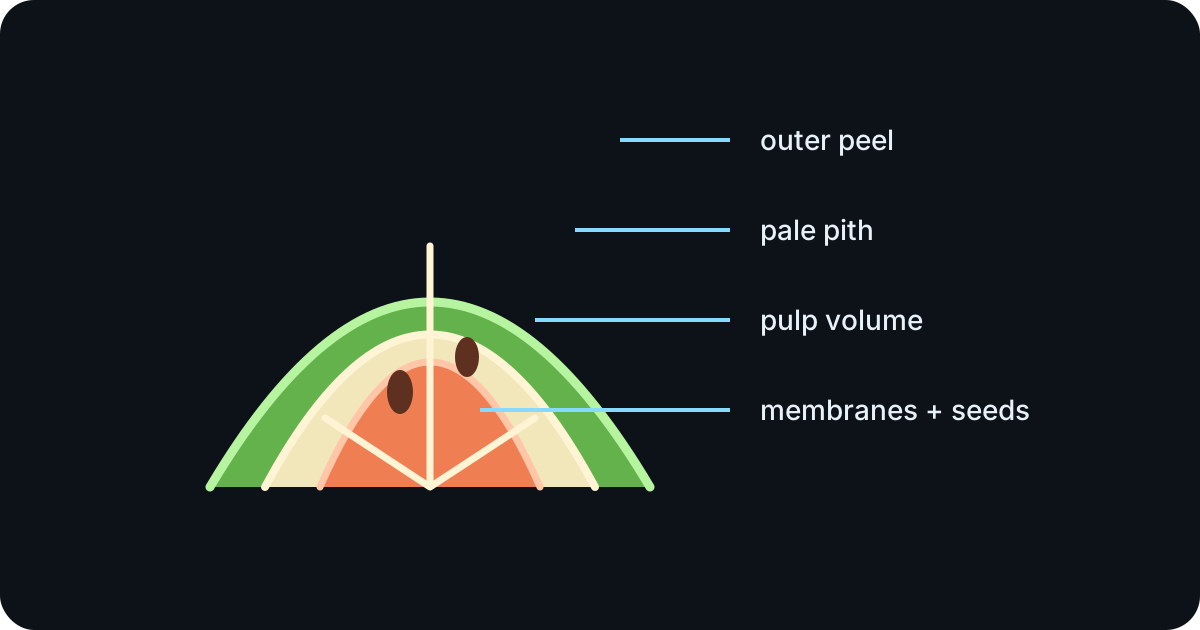
Peel and pith are more than two outlines
Citrus peel includes a colored outer flavedo and lighter porous albedo. Watermelon has a green-to-white transition, while apple and strawberry need different boundary rules.
Distance from the outer surface can select layers, with restrained local noise varying thickness without producing stains.
Pulp has direction and organization
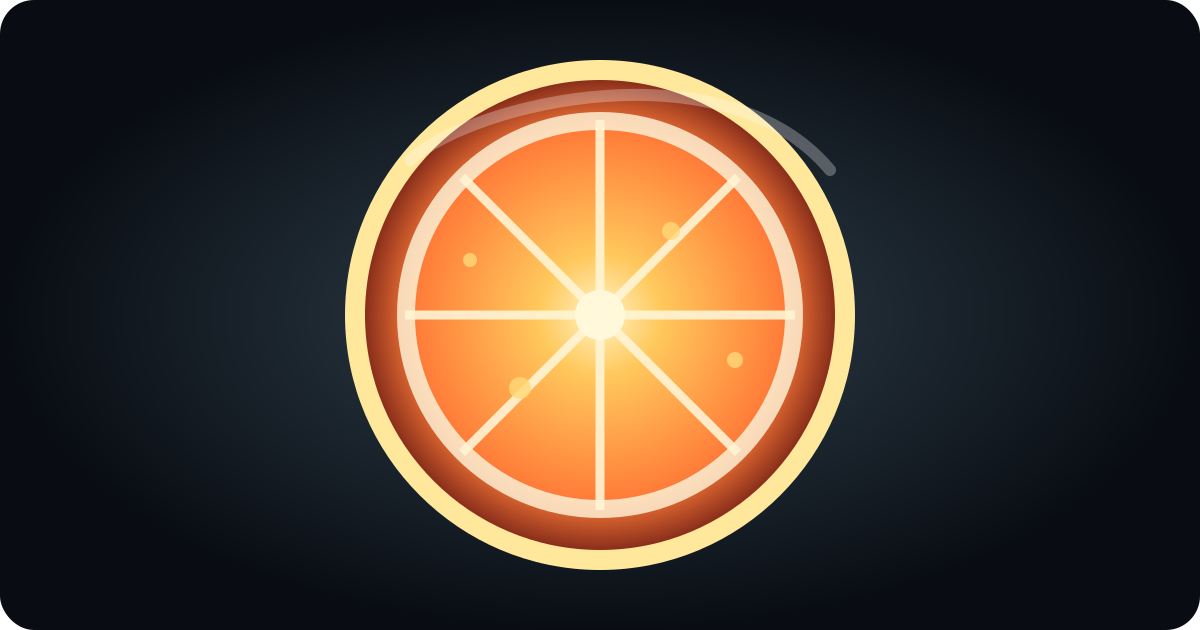
Citrus segments radiate from a center; watermelon relies on dense flesh and irregular seeds; apple has a star-like core; pomegranate contains many arils divided by membranes.
Compute that structure in fruit-local coordinates so separate pieces still reveal one shared interior.
- Radial citrus segments
- Irregular watermelon seeds
- Apple core
- Pomegranate arils
Volume color matters more than low opacity
Transmission alone looks like tinted film. Thickness and attenuation make thin edges clear and thick centers saturated, while restrained roughness and interior light suggest juicy pulp.
Correct color-space conversion and tone mapping must be present before the first interaction, not activated by a later drag.
A cut should create a face, not replace the fruit
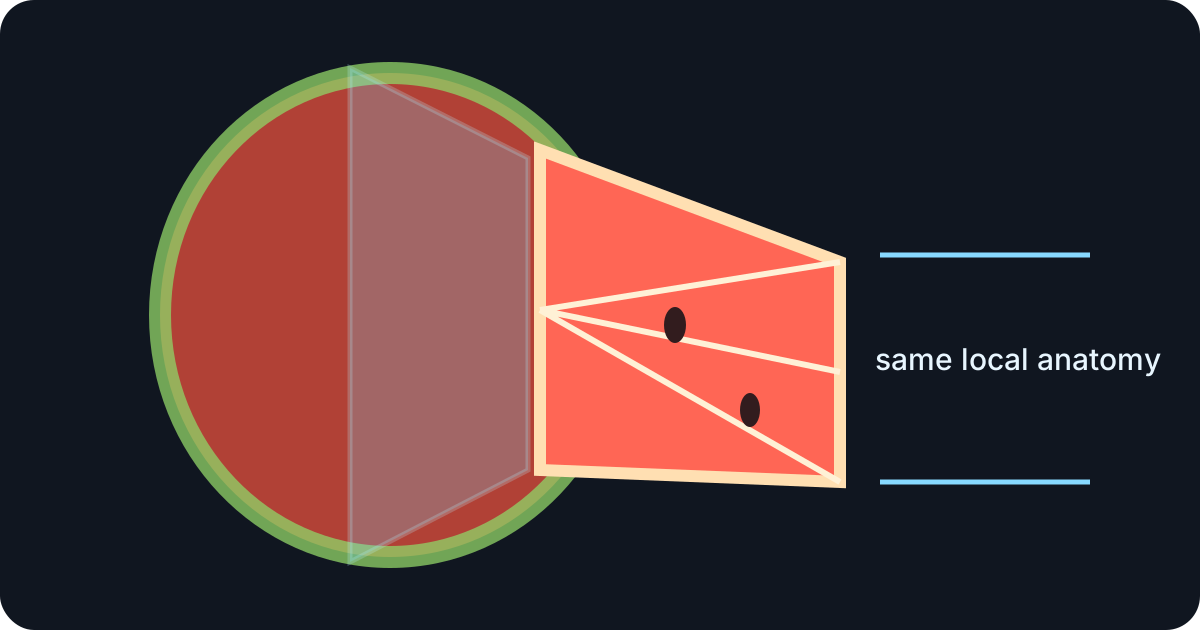
Split the existing volume, preserve each outside surface, and cap only the newly opened plane. Inherit the source coordinates and seed for every later piece.
Test every piece intersected by the cut plane. A miss should create nothing, and minimum thickness should prevent unstable slivers.
How to inspect a believable section
Recognize the uncut fruit by silhouette, then inspect the layer order after a broad cut. Cross the first cut again and check that membranes and seeds remain continuous.
This is an artistic interactive model, not a method for judging fruit variety, nutrition, or ripeness.