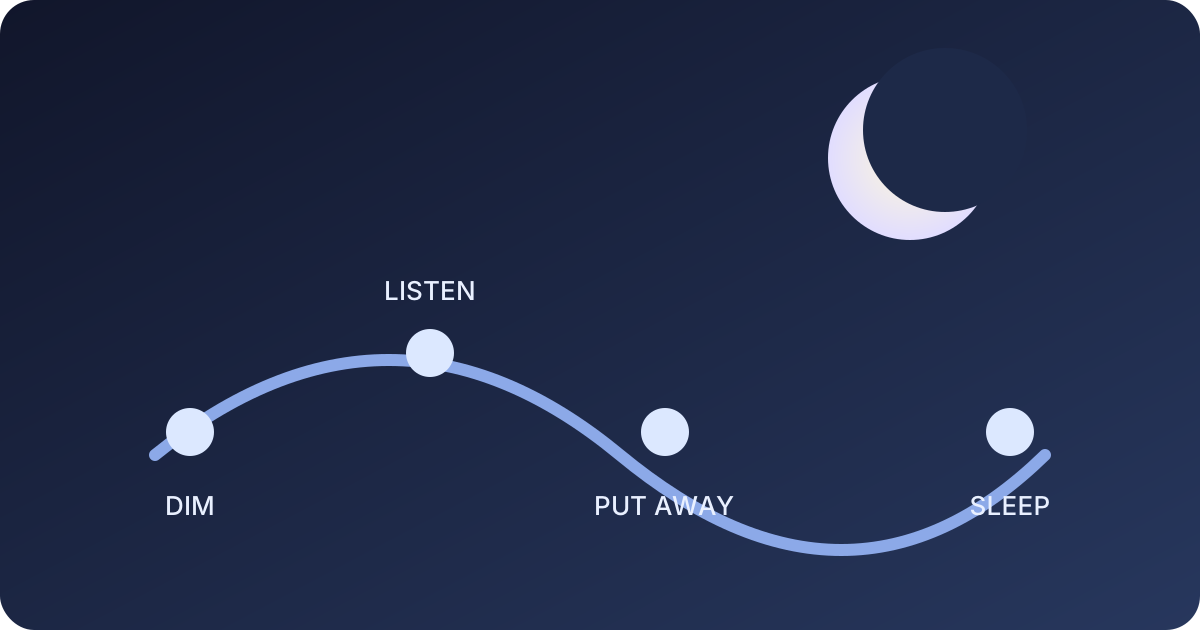
Many ASMR experiencers report using content before sleep, and short studies have observed calm and physiological change. Use is common, but that is not proof that ASMR treats insomnia.
A safer role is an optional cue that activity is ending: dim the room, listen briefly at low volume, put the screen away, and repeat the same sequence.
Use reports are not treatment proof
Early surveys describe why self-selected ASMR users listen. Laboratory work found calm and heart-rate change in experiencers, but did not establish long-term insomnia treatment.
People who feel no tingles or dislike a trigger are not failing. Stop when content increases alertness or discomfort.
- Use is not treatment
- Short response is not whole-night sleep
- Responses differ
- Discomfort means stop
Timing and sequence come before sound
NHLBI guidance emphasizes a consistent schedule, quiet pre-sleep time, and less bright light. A ten-to-fifteen-minute ASMR session can fit inside that wider routine.
Set an end timer and avoid choosing new content after it stops. The goal is less information, not more consumption.
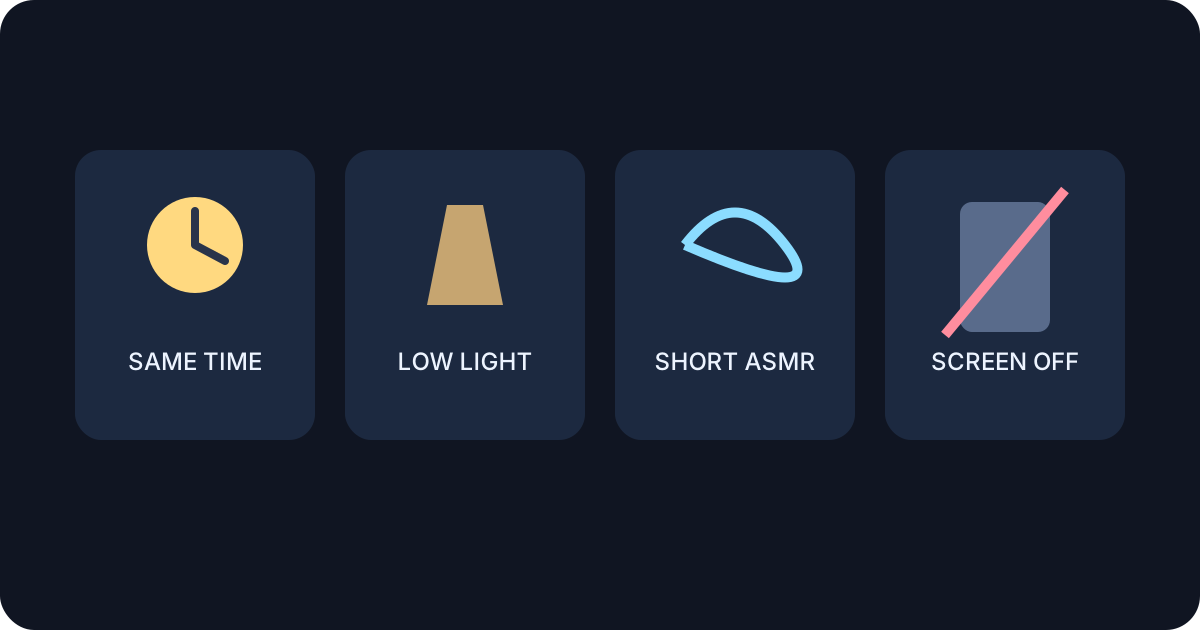
Separate visual and audio stimulation
Watch only briefly if movement helps, then switch to audio or put the screen down. Disable notifications and unpredictable autoplay.
Start at low volume and stop for ringing, muffling, pain, or fatigue.
Do not keep extending a session
If ASMR keeps you browsing, end it and change to a quiet screen-free activity. A short diary can compare comfort and next-day fatigue without turning sleep into a performance score.
Keep alternatives such as quiet breathing, a paper book, or gentle stretching so sleep does not depend on one trigger.
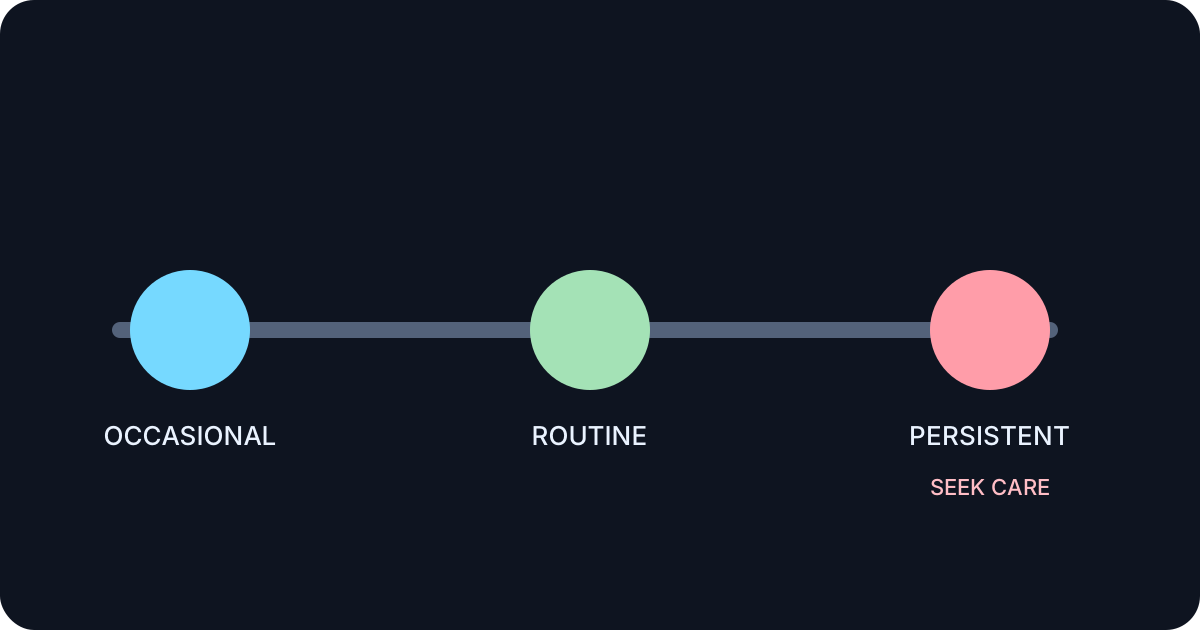
Persistent insomnia needs care
Repeated difficulty that affects daytime function, loud snoring, breathing pauses, pain, mood change, or dangerous sleepiness deserves professional assessment.
Do not change prescribed treatment because of ASMR. Urgent safety or mental-health concerns require local medical or emergency support.
A realistic ten-minute routine
Spend two minutes dimming and disabling alerts, five minutes with familiar low-volume ASMR, and three minutes listening without looking before the timer ends.
In the morning, judge comfort rather than claiming a cure. Reduce or remove ASMR if it increased alertness.