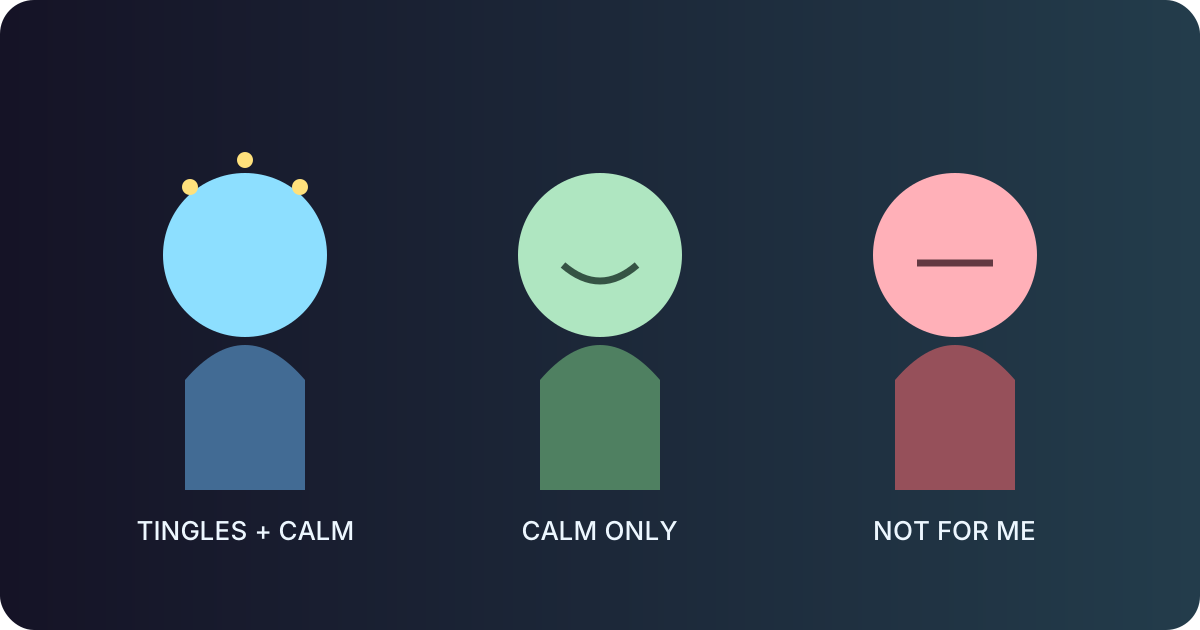
Tingles are not a pass-or-fail test. Some people feel tingles and calm, some feel only quiet attention, and others dislike the same whisper or repetition.
A useful question is not whether a sensation appeared, but whether tension eased without forcing or enduring discomfort.
Tingles and calm can separate
Tingles vary across people, triggers, and days. Their strength is not a health score.
ASMR experiencers in research reported more calm with suitable videos, but the result does not apply uniformly to every listener or clip.
- Tingles
- Calm
- Sleepiness
- Pleasant alertness
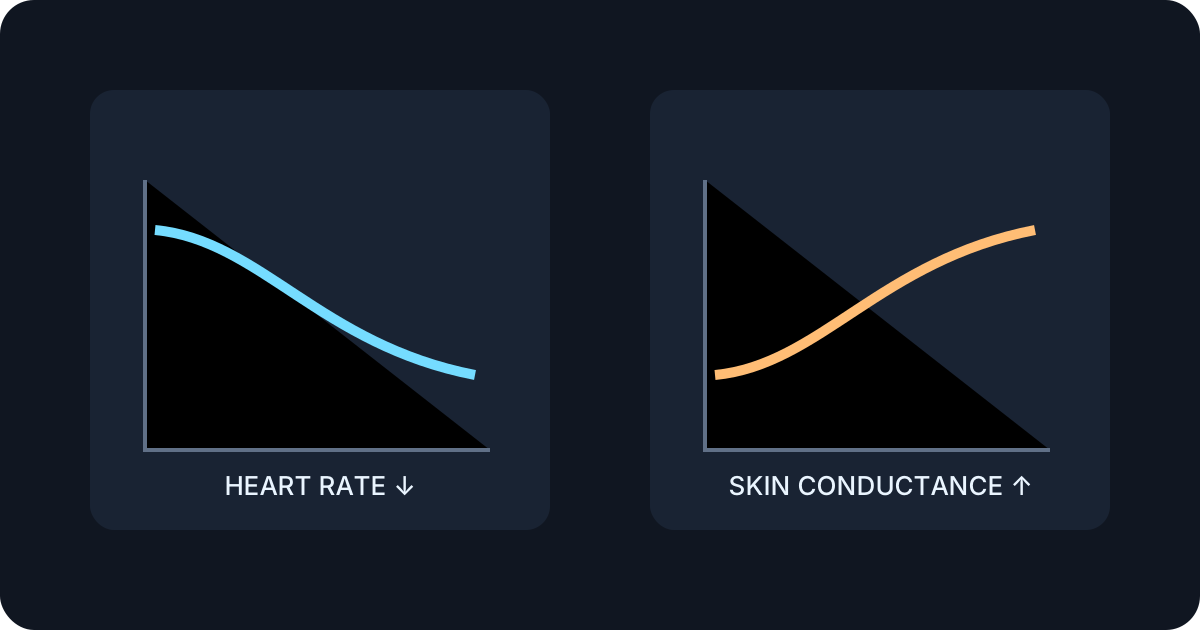
Two physiological directions can coexist
A 2018 study observed lower heart rate and higher skin conductance in ASMR experiencers. Calm and mild arousal may occur together.
Home wearable numbers cannot diagnose stress relief, and a short average change does not prove treatment.
Expectation can shape a report
Suggestive instructions influenced reports among people unfamiliar with ASMR, while experienced users responded more selectively. This shows context matters, not that every experience is false.
Say that some people may feel comfortable; never promise that a trigger will remove anxiety.
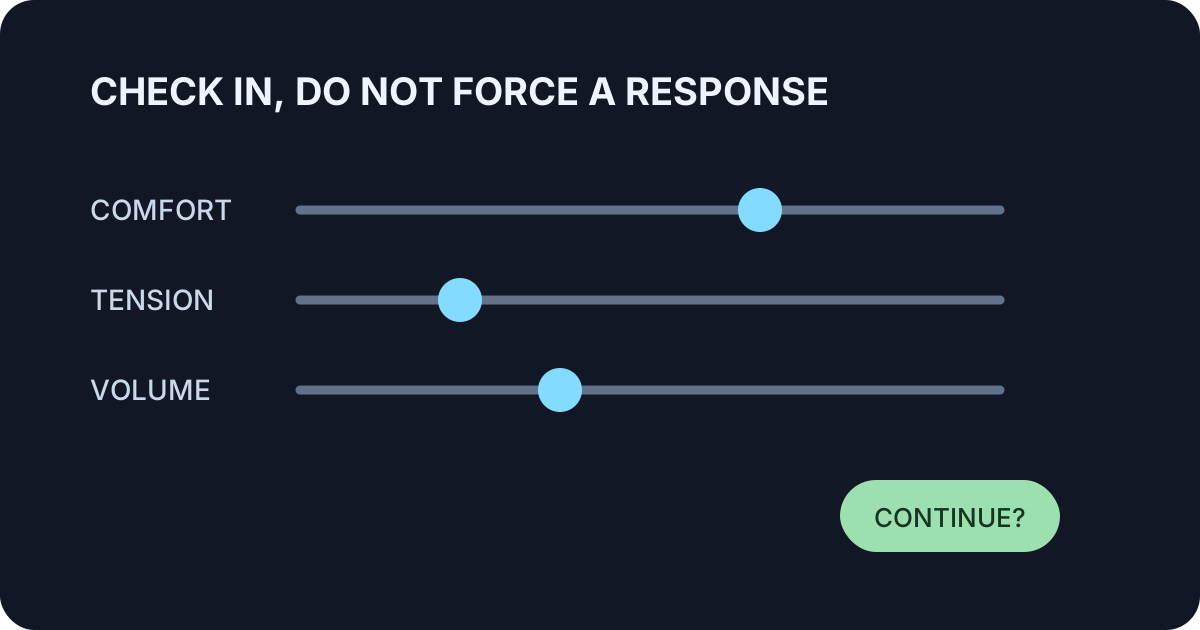
Use a three-step check-in
Name your starting state, listen for five minutes at low volume, then choose more comfortable, unchanged, or less comfortable. Stop disliked triggers immediately.
This is not a diagnostic test. If checking becomes compulsive, put the measures away.
Read stress studies with limits
A small randomized pilot found improvements after both ASMR and binaural-beat programs, but its sample and combined stimuli limit broad claims.
NCCIH advises that relaxation techniques should not replace conventional care or delay medical advice.
A five-minute no-tingle break
Choose one predictable quiet trigger, notice physical support rather than searching for tingles, and let unrelated thoughts pass.
End with a minute of lower sound and judge comfort. Quiet, walking, or stretching may fit better.